
Consultant-led private care · London
Specialist care for treatment-resistant depression in London.
In-depth assessment and a personalised treatment plan for adults whose depression, anxiety or trauma hasn’t improved enough with standard care.
- Confidential
- Reply within 1–2 business days
- Consultant-led assessment
Confidential enquiry
Step 1 of 4
Does any of this sound familiar?
Choose any that fit. It helps us prepare for your first conversation.
Our standards
Careful assessment is part of the treatment.
Treatment decisions are made case by case, guided by clinical judgement, safety and individual suitability.
Important information
- This website provides general information about clinical services.
- We do not advertise or promote specific prescription-only medicines to the public.
- Any treatment involving prescription medication is only considered following a full clinical assessment.
- Not all individuals will be suitable for all treatment options.
- Outcomes vary and no guarantees of effectiveness are made.
Assessment comes first
No treatment involving prescription medication is offered or recommended without an individual clinical assessment.
Honest about suitability
Not everyone is suitable for every option. If something isn’t right for you, we’ll explain why and what may help instead.
Monitored and reviewed
Where treatment needs medical supervision, monitoring and review are built into your care.
Joined-up care
Plans may include therapy, medication review, aftercare and coordination with the care you already have.
What your plan may include
Care built around you, not a single treatment.
After assessment, your plan may bring together more than one approach. We’ll explain each one, including the evidence and the risks.
We also review medication and talk you through NHS routes. Read our guide to treatment-resistant depression
NewNew treatments
Newer treatment options.
Some people whose depression hasn’t improved with standard treatment may be suitable for newer options. Our guide sets out what treatment involves, what the research shows — including where it’s uncertain — and who it usually isn’t right for.
- What a course of treatment involves, and how sessions run
- What recent research shows, and what we don’t know yet
- Side effects, risks, and who it usually won’t suit
Every treatment starts with a specialist assessment. Not everyone is suitable.

Clinical guide
Risks, alternatives and research references included
Meet the team
Trauma-informed care, delivered by specialists.
A multidisciplinary team combining evidence-based therapies with somatic and mindfulness-based approaches.
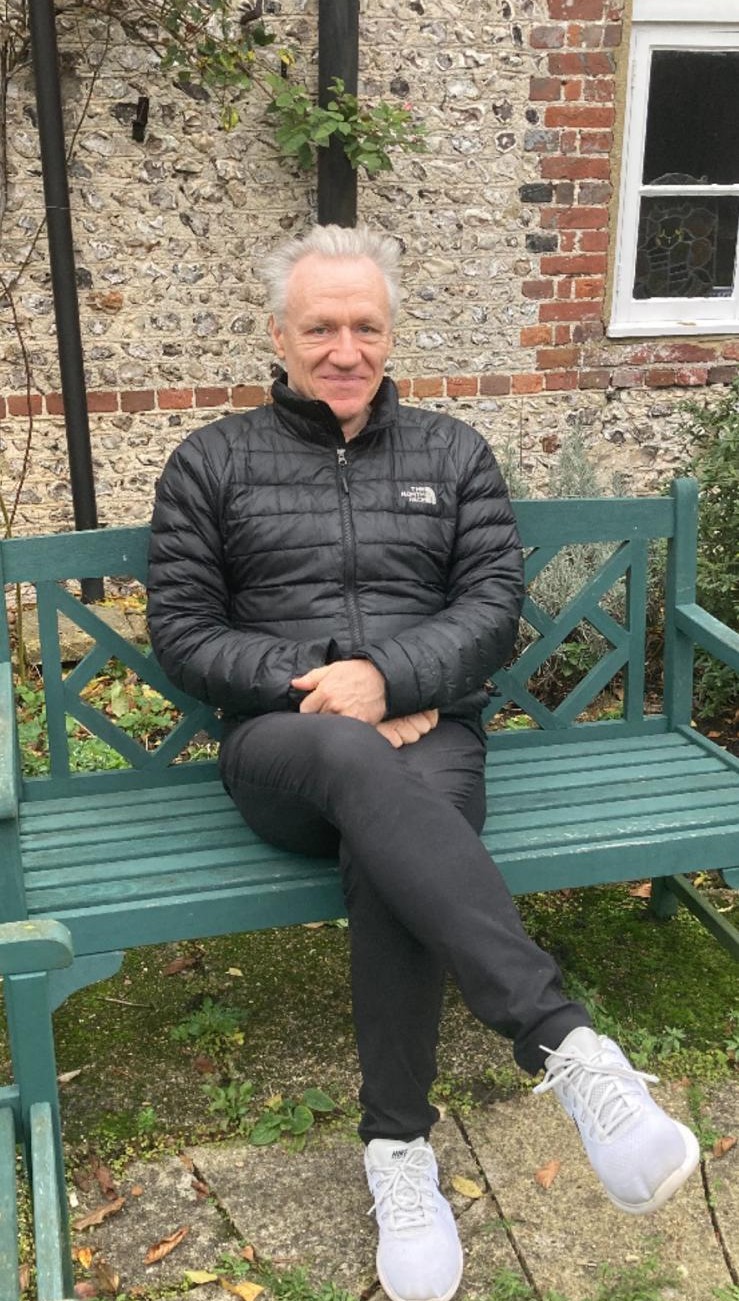
EMDR · Trauma therapy
Richard Denny
EMDR Europe Accredited Consultant and Clinical Supervisor
Combines trauma-focused EMDR with mindfulness-based relapse prevention and biofeedback, to build sustainable recovery and emotional regulation.
- Founding member of Trauma Centre UK
- MBRP trained through Action on Addiction
- Ten years at The Hepatitis C Trust, supporting trauma and addiction recovery


How it works
A careful route into specialist care.
Each stage narrows uncertainty, protects your safety and builds a plan around you, not just a diagnosis.
Step 1Start here
Get in touch
Send a short, confidential enquiry. We reply within 1–2 business days to arrange a first conversation.
Start your enquiryStep 2
Specialist assessment
A consultant-led review of your symptoms, history, previous treatments, physical health and goals.
About 45 minutes, in person or online
Step 3
A clear recommendation
We tell you what’s most likely to help: a treatment we offer, a different approach, or another service.
No obligation to go ahead
Step 4
Treatment and support
If treatment goes ahead, it’s monitored, reviewed and adjusted, alongside psychological support and aftercare.
Joined up with your existing care
FAQ
Common questions.
Clear answers about consultation, assessment, suitability and next steps.
Still unsure where to start?
The first step is a confidential discussion. Treatment decisions are only made after individual clinical assessment.
This service may be relevant for individuals who have experienced ongoing depression, anxiety, trauma-related symptoms, chronic stress, burnout, or other complex mental health difficulties, particularly where previous approaches have not led to meaningful progress. Suitability is assessed individually by a clinician.
The first step is a confidential consultation with a qualified clinician. This includes a review of your current symptoms, previous treatments, medical history, psychological history, goals, and any relevant safety considerations. The aim is to understand your needs before any treatment pathway is recommended.
Fees depend on the plan agreed at your assessment, so we send them to you when you get in touch. Paying for an assessment doesn’t commit you to treatment, and treatment is only recommended when it’s clinically appropriate. We ask for 72 hours’ notice of any cancellation.
No. You can contact us directly. After your assessment you receive a written plan, and if you want, we share it with your GP.
Where clinically appropriate, your clinician may discuss a broader range of specialist treatment pathways. Some pathways may require medical supervision and careful screening. No treatment involving prescription medication is offered or recommended without an individual clinical assessment.
Read about new treatmentsNo. Some treatment pathways are not suitable for all individuals. Suitability depends on your medical history, mental health history, current symptoms, risk factors, and clinical judgement. Your clinician will discuss appropriate next steps with you.
No. Outcomes vary from person to person and no guarantee of effectiveness is made. The purpose of assessment is to identify a clinically appropriate plan and ensure that decisions are made safely and carefully.
This website is not intended for emergency support. If you are experiencing a medical or mental health emergency, contact your GP, NHS 111, 999, or your local emergency service.
Take the first step
Talk to us, confidentially.
Tell us a little about what’s going on. A member of our clinical team will reply within 1–2 business days to arrange a first conversation.
- Confidential from the first message
- A consultant-led specialist assessment
- An assessment doesn’t commit you to treatment
Prefer email? richard@infusiontherapylondon.co.uk
If you’re in crisis now: call 999 or go to A&E, call NHS 111 and choose the mental health option, or call Samaritans free on 116 123.
Confidential enquiry
Request a consultation
Tell us a little about you. A member of our clinical team will reply within 1–2 business days.
Confidential. We only use your details to respond to your enquiry.
Not for emergencies. If you’re in crisis now, call 999 or go to A&E, call NHS 111 and choose the mental health option, or call Samaritans free on 116 123.